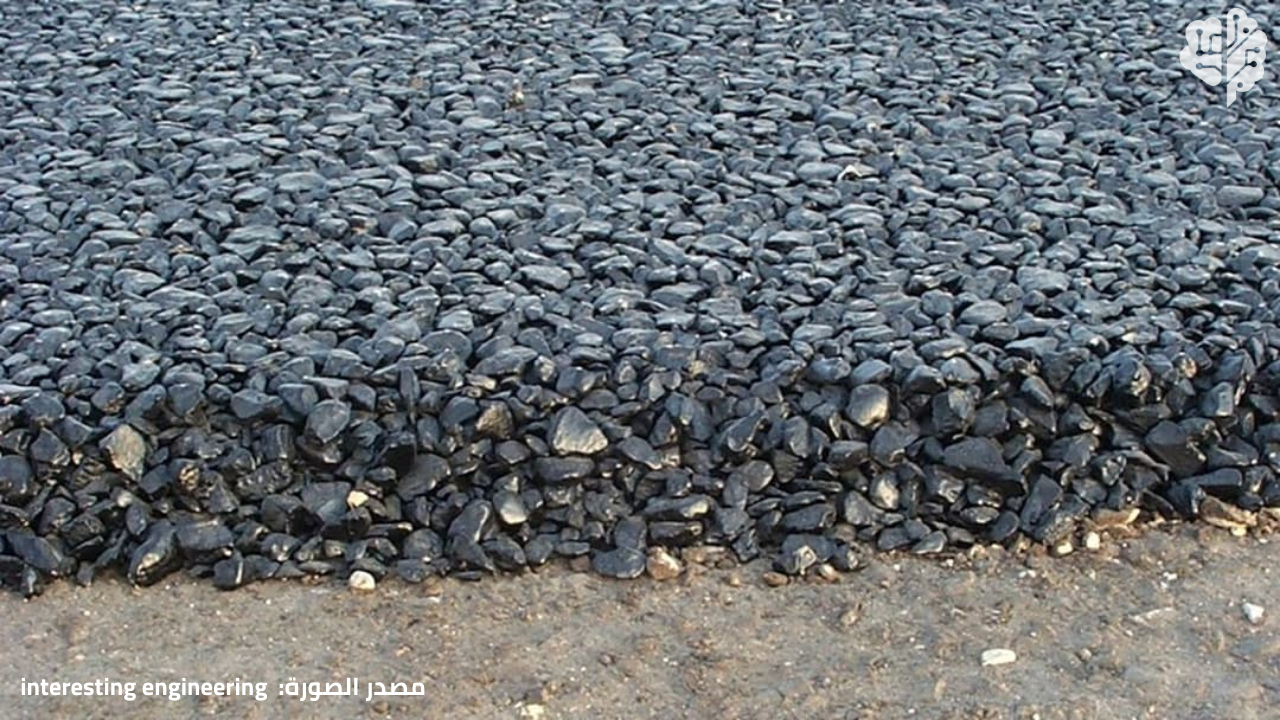
Roads in cold regions face a severe annual challenge. Repeated freeze and thaw cycles cause asphalt to crack, form potholes, and generate billions of dollars in maintenance costs. The damage is not only inconvenient for drivers but also a public safety risk that places significant strain on municipal budgets, particularly in areas with frequent and rapid temperature drops.
An unexpected solution from algae
Microalgae are the focus of new scientific research suggesting they can improve asphalt performance in low temperatures while reducing the carbon footprint of road construction. Researchers found that oils extracted from algae can partially replace traditional petroleum-based binders, increasing road flexibility and durability.
Why conventional asphalt fails in winter
Asphalt relies on bitumen, a petroleum-derived material that binds gravel and sand. While bitumen expands in warm conditions and contracts in cold weather, it becomes brittle at low temperatures. This brittleness leads to cracks that widen under traffic and allow moisture to penetrate, eventually forming hazardous potholes.
Developing a sustainable binder
A research team led by Ilham Fini developed a flexible binder derived from algal oil that behaves similarly to bitumen but performs better in cold conditions. Previous studies show algae-based compounds improve moisture resistance, flexibility, and asphalt’s ability to self-heal, extending road lifespan and reducing maintenance costs.
Digital analysis and species selection
Researchers used computer modeling to analyze oils from four types of microalgae to identify the best match for asphalt mixtures under freezing conditions. One species showed superior performance: the freshwater green alga Haematococcus pluvialis, whose oil demonstrated the highest resistance to permanent deformation under traffic pressure.
Laboratory testing under real conditions
In laboratory tests, asphalt samples enhanced with algal oil were exposed to repeated traffic loading and freeze and thaw cycles that replicate cold climate conditions. The results showed improved shape recovery after deformation and stronger resistance to moisture damage, a key factor in pothole formation.
Measured gains in performance
Algae-enhanced asphalt showed up to a 70 percent improvement in deformation recovery compared with conventional petroleum-based asphalt. This improvement points to longer-lasting roads that require fewer repairs, especially in harsh winter environments.
Environmental impact
Researchers estimate that replacing 1 percent of petroleum-based binder with algal oil could reduce net carbon emissions from asphalt by 4.5 percent. Increasing the substitution rate to about 22 percent could theoretically achieve carbon-neutral asphalt.
Practical application and cost
The research team says the technology can be implemented without significant cost increases while delivering both lower emissions and stronger infrastructure. This makes it a viable option for cities seeking durable and sustainable road solutions.
Research support and publication
The study was supported by the US Department of Energy and published in the journal ACS Sustainable Chemistry and Engineering, supporting the credibility of the findings and enabling broader testing in future road projects.
Source: Interesting Engineering